From Dashboard to Delivery Content Automation
Endless dashboards, reports, and alerts are all part of the frustration felt by every marketing team. While this data pr...


The dirty secret of most content calendar strategies is that they’re just guesses dressed up as insights. You brainstorm in January, publish in February, analyze in March, and by April, the market has moved on.
There’s a better way to work: Let your content learn from itself.
Imagine having a strategist who never sleeps. That strategist watches every signal your audience sends and quietly reshapes your next 90 days of output. Performance is effectively converted into decisions that improve whatever you publish next.
That’s how our continuous learning system scales your content strategy, via a feedback loop that makes your calendars smarter, faster, and more efficient every month.
Dashboards packed with data aren’t useful if you can’t make meaningful decisions with that data. For content marketing teams, typical hurdles include:
More data is not the answer. Instead, you need a system that closes the loop between insight and action, helping you make impactful decisions about your content strategy’s direction.
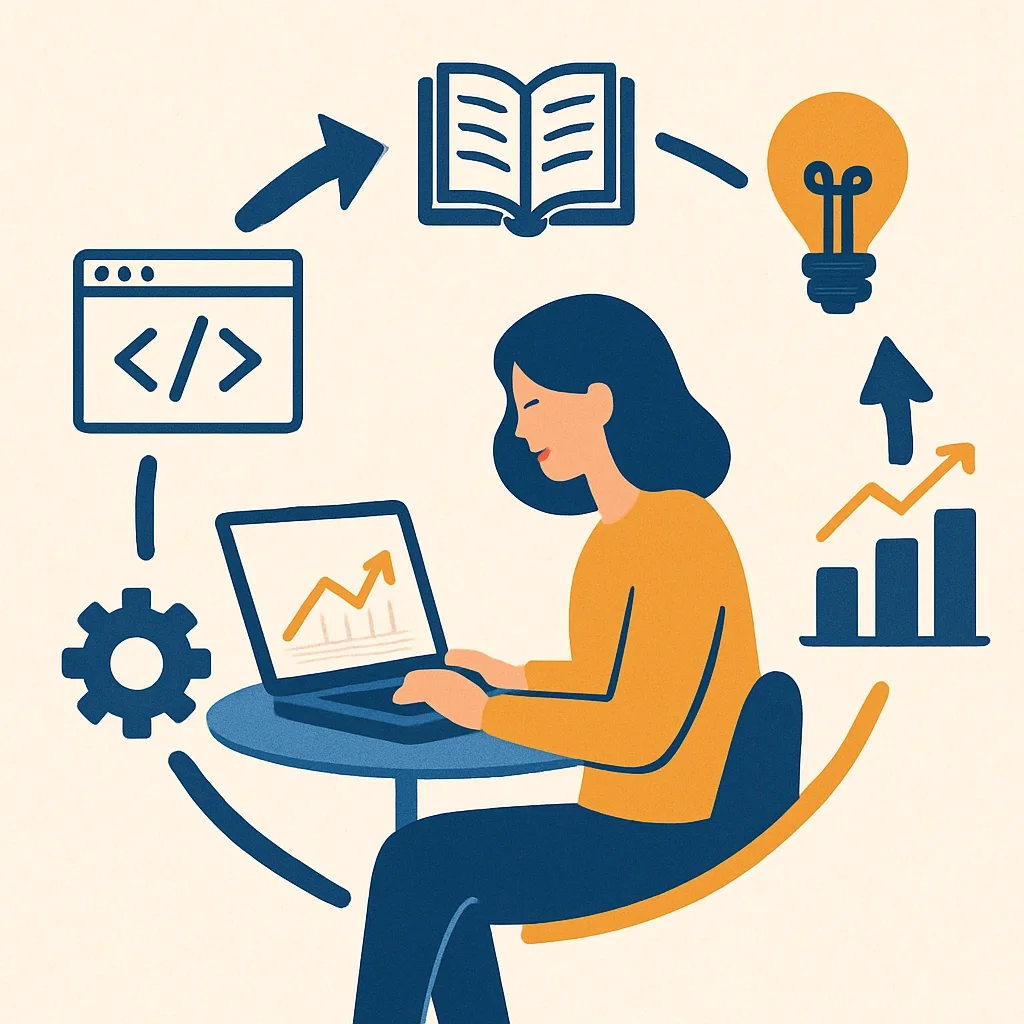
Every blog, article, and social media post goes out into the world, collects interactions, and sends signals back to the “content brain.” These signals update the plan, continuously honing it for further success. The concept: Publish. Observe. Learn. Adapt. Execute. Repeat.
Here’s how it all works on our platform.
It’s important to distinguish between early indicators that change quickly and long-term market trends. The system ingests:
And uses these signals to create continuously improving content.
Attributes impacted by this data include:
Raw data becomes the answer to the most pertinent question: “Which content combinations work for our audience and why?”
Our content engine uses the performance correlations above to decide when your content needs to be:
This is how you get the right writer for every job; sometimes human, sometimes AI, always intelligent.
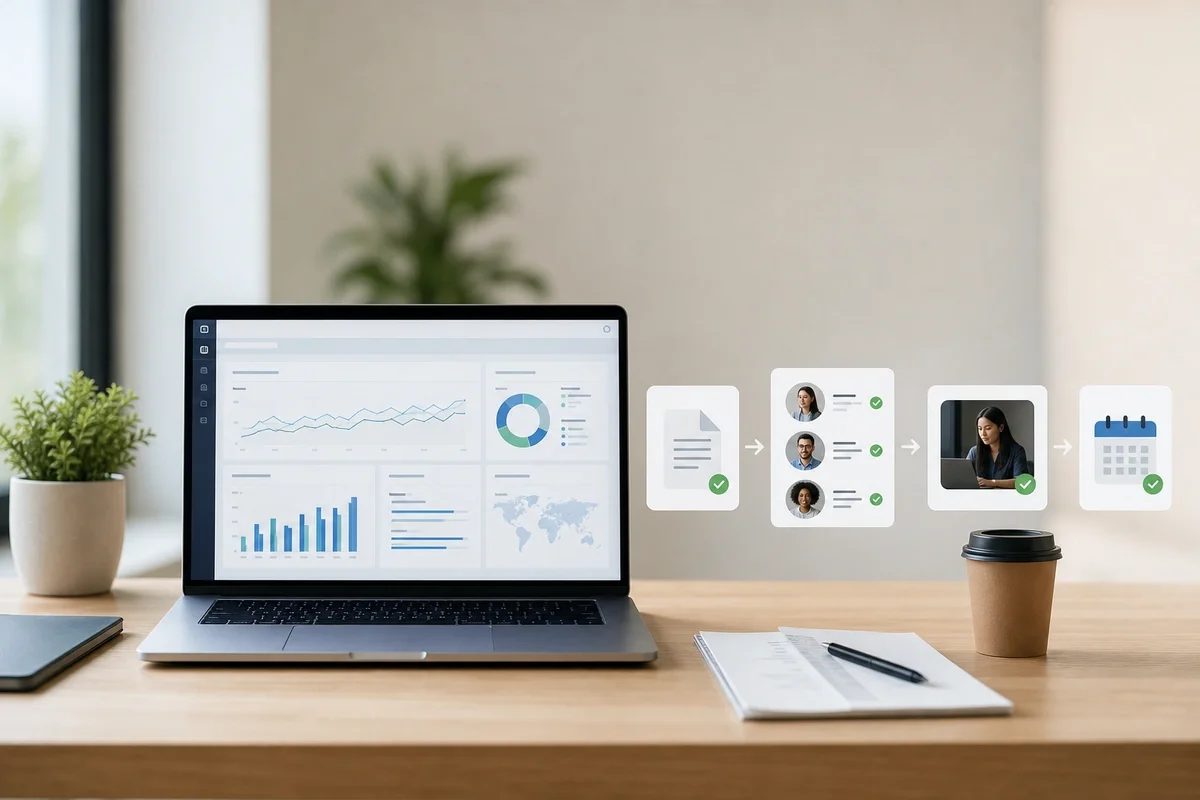
Once the plan is updated, autonomous agents get to work. AI pieces get drafted. Human pieces are sent to vetted specialists. Hybrid pieces often start with an AI-generated draft that’s sent to a human editor or SME for refinement.
Completed content is delivered to your team or published through content management system (CMS) integrations, with human oversight on every AI-assisted piece.
Of course, what you really need is concrete changes you can see. With an autonomous, self-learning system, expect to see improvements in:
You’ll also note that your publication windows may shift to match times associated with peak engagement. It’s about literally meeting your customers when and where they are, as often as possible.
Automation doesn’t replace your brand personality. When used correctly, it elevates it. Human editors and writers work alongside the automated aspects of the system, scoring drafts for brand voice and clarity, leaving structured feedback about gaps that AI can’t see, and adding nuance. Your human SMEs are also there to fact-check, verify regulatory information, and assess industry-specific pitfalls.
Every interaction feeds back into the system, so it learns your brand’s fingerprint rather than overwriting it.
Got questions? Here are answers to some of the most common queries we get:
The future of content isn’t AI vs. human. It’s AI plus human, intelligently orchestrated with continuous performance optimization. Ready to create content that learns from itself? Get started with Scripted to generate your intelligent content calendar.