
Why Scripted Is a Top ClearVoice Alternative
If you’ve been following the industry chatter, you’ve likely heard the news about ClearVoice’s plans to shut down operat...


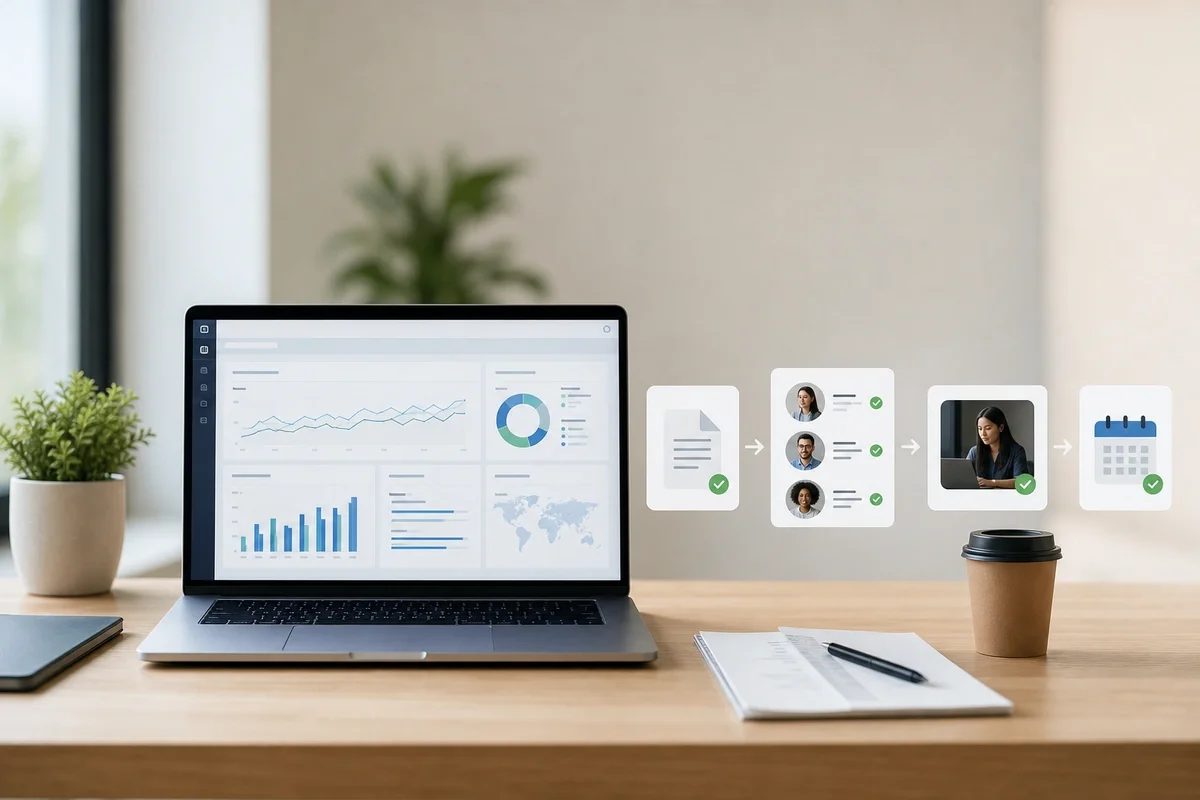
Endless dashboards, reports, and alerts are all part of the frustration felt by every marketing team. While this data presents opportunities, the frustration stems from what comes next: execution. You can see where traffic is dropping, where competitors are gaining ground, and the topics your audience is searching for.
Unfortunately, insight without execution creates friction. The real value of this data comes from turning it into published content that drives results. This process has traditionally been drawn out, but new technology has simplified things.
Imagine if your analytics didn't just identify opportunities. What if they automatically generated content briefs, chose the right production method, assigned writers or AI, routed drafts through quality assurance, and even scheduled publication?
This goes beyond gathering insights and into the realm of seamless content operations.
While businesses invest heavily in analytics and competitive research, many still rely on manual workflows to turn those insights into content. This is problematic due to three major challenges faced by modern marketing teams:
More data than ever before
Audiences that expect relevant content across multiple channels
Lean teams are expected to produce more with fewer results
Investment in advanced analytics paired with manual workflows creates a gap that can slow output. By connecting strategy with execution through a hybrid model that combines AI efficiency with human expertise, it's possible to close this gap.
This hybrid system connects to your website, analytics dashboards, search data, and competitive landscape. This helps it understand your market while also learning your brand voice, style guidelines, audience, and compliance requirements. In the end, every recommendation aligns with your business.
Leave static planning behind. This platform creates a rolling editorial calendar that continuously adapts to new opportunities. Every content idea includes a detailed brief with search intent, audience, outlines, SEO recommendations, internal linking opportunities, and distribution notes.
Not every project requires the same approach. A content weighting engine determines whether each assignment is best suited for:
Human writers: Best for thought leadership, technical content, or regulated industries
AI: Best for FAQs, glossaries, templates, and other repeatable content
Hybrid workflows: A combination of AI-generated drafts and expert human editing
Every decision is transparent. This means you'll always know why a particular production method was chosen.
Once approved, the workflow becomes automatic. Assignments are routed to AI or vetted writers, briefs are attached, and editors review every AI-assisted draft to ensure factual accuracy, consistency, and brand voice before publication.
Finished content is delivered to your CMS complete with metadata, internal links, and publishing schedules. The system automatically receives performance feedback, allowing future recommendations to improve based on engagement, rankings, and conversions.
Even if you don't see it, a lot is going on behind the scenes. Here's what the workflow will look like from your perspective:
Prioritized content recommendations
One-click approvals
Clear production timelines and budgets
Visibility into whether content is AI-generated, human-written, or hybrid
Behind the scenes, intelligent agents monitor search trends, competitor activity, and content performance. Editorial calendars adjust automatically while assignments are routed to the right contributors.
Quality checks then identify SEO issues, factual gaps, or brand inconsistencies before you ever review a draft.
Imagine a B2B software company discovers increased search demand for "zero-downtime migration." Rather than scheduling multiple planning meetings, the system automatically recommends:
A technical guide written by a subject matter expert
AI-generated FAQs and checklists to capture additional search traffic
A hybrid thought leadership article refined by an experienced editor
Throughout the week, drafts are created, reviewed, approved, and scheduled for publication. Supporting content for social media and emails is generated as well.
By Friday, your content is ready to publish — and the editorial calendar has already adapted based on early performance analytics. No spreadsheets. No endless project tracking. Just consistent execution.
Treating every assignment the same wastes both time and resources. Instead, organizations can reserve human expertise for high-value work such as original research, compliance topics, pricing pages, and technical documentation.
Simultaneously, AI can produce scalable assets like FAQs, glossaries, and reusable content. Hybrid workflows combine the strengths of both AI and human editors. AI handles the first draft, and humans focus on messaging, storytelling, and accuracy.
Scaling content shouldn't mean sacrificing consistency. By learning from your existing website, style guide, and preferred writing examples, the system develops a living brand model that guides every draft.
Human editors reinforce those standards, ensuring AI-generated content maintains your tone, terminology, and quality expectations.
Automation works best when it's visible and flexible. Every recommendation explains why it was prioritized, which production method was selected, and what quality checks have been completed. Organizations can operate in full autopilot for routine content or add approval checkpoints for legal, technical, or executive review.
How does this differ from traditional content operations? These critical capabilities make all the difference:
Business-aware AI trained on your website, competitors, and market instead of generic prompts
Self-managing editorial calendars that continuously reprioritize opportunities based on real performance data
Human quality assurance that reviews every AI-assisted draft before publication
The result? Higher quality content without sacrificing speed.
The goal of automation isn't to replace marketers. The focus is on eliminating repetitive work so your teams can focus on strategy, creativity, and growth.
By connecting analytics, editorial planning, content production, and publishing into a single workflow, organizations can spend less time managing projects and more time producing content that delivers results.
Your dashboards no longer simply report what happened. Now, they serve as the starting point for content that gets planned, created, published, and continually optimized. So, are you ready to see what a game-changing hybrid approach can do for your organization?
Generate your intelligent calendar today and see what your AI agents recommend. Then watch your dashboards turn into results.