

Top Five Tips to Grow Your Email Subscription List
Business owners have been wondering whether email marketing is worth the investment. Many think we'll outgrow the techno...



So, you have a pretty good idea of what inbound marketing is. And, now that you have a grasp on how it works, you may be ready to tackle it for your company. However, how can you know that the investment into an inbound marketing effort will be worth it?
One of the most effective ways to convince yourself and other people at your company that inbound marketing is worth time, energy, money, and resources is understanding the benefits of inbound marketing. By knowing what it can do to improve business and understanding the different ways it can benefit your company, you can ensure that you make a marketing investment that's going to pay off.
The benefits of tackling an inbound marketing effort are many. Here are just a few of the concrete statistics that show just how much inbound marketing can pay off:
Because inbound marketing is a sound strategy that is worth investing in, you should consider tackling it at your company to make your marketing dollars go further and to more easily grow your customer base. Executing an inbound marketing strategy may seem overwhelming if you've only relied on outbound tactics before. However, launching an inbound marketing plan only takes a few simple steps, and you can start seeing results from your inbound efforts quickly.
To launch your inbound efforts, you first need to focus on one thing: content creation. Content is at the heart of any inbound marketing plan, and you need to make sure that you have high-quality content to share that will both draw in and wow potential customers. In order to create the right kind of content, do some work to understand who your customers will be and what they want or need. This will help you be certain that the content you create offers potential customers some value, and that it actually works to move them through the buyer's journey to become a paying customer - and an advocate for your brand.
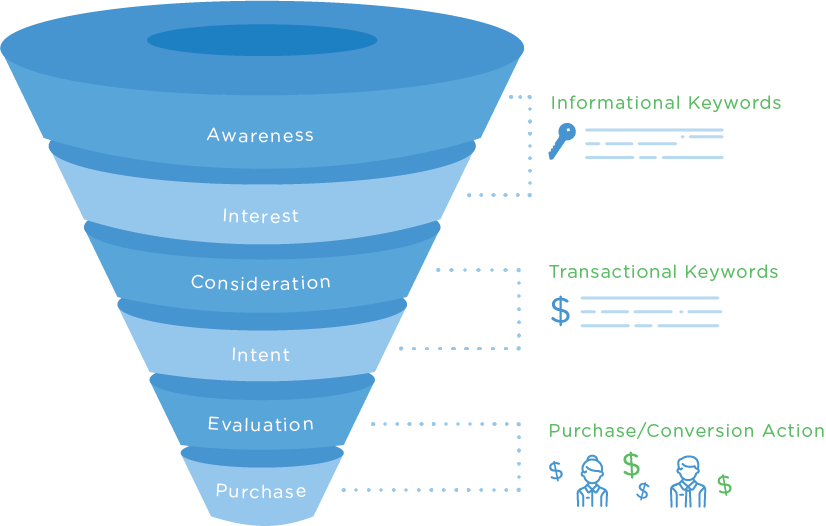
When creating your content, look at each stage of the sales funnel. The three stages are top of funnel (TOFU), middle of funnel (MOFU) and bottom of funnel (BOFU). You should create content for each individual step of the funnel, since different material will appeal to different consumers, depending on where they are in their customer journey - or whether they are ready to buy. When you're creating content, make sure you're specific about where each piece of content will be used. That way you can ensure you're harnessing its power and appealing to the right people, at the right time, and in the right way.
If you're ready to create content for your inbound marketing efforts, consider tackling the following media and platforms:
Inbound marketing is powerful and creating content is an effective way to bring awareness to your brand and convince people to buy from them. However, how do you know if an inbound marketing plan is right for your company? There are some steps you can take to analyze whether your company or organization is a good fit for an inbound marketing strategy.
First, consider what your company's goals are. Are you looking to build a brand reputation and grow your customer base so that you can expand your business and generate more revenue? Next, look at your audience. Is the audience that you're hoping to attract one that consumes content, one that spends time on the web, and one that is looking to be wowed and delighted? Finally, consider your sales process. Do the people that you sell to go through a journey before you finally close a deal with them? Do they need to be led through a buying process and convinced to make a purchase? Or, alternatively, do they arrive ready to buy?
Inbound marketing benefits many businesses - however, it's not the right marketing strategy for every company out there. Some of the types of businesses that can thrive using inbound marketing include:
Businesses that might not benefit from inbound marketing efforts include:

