A Day in the Life of an AI Content Strategist
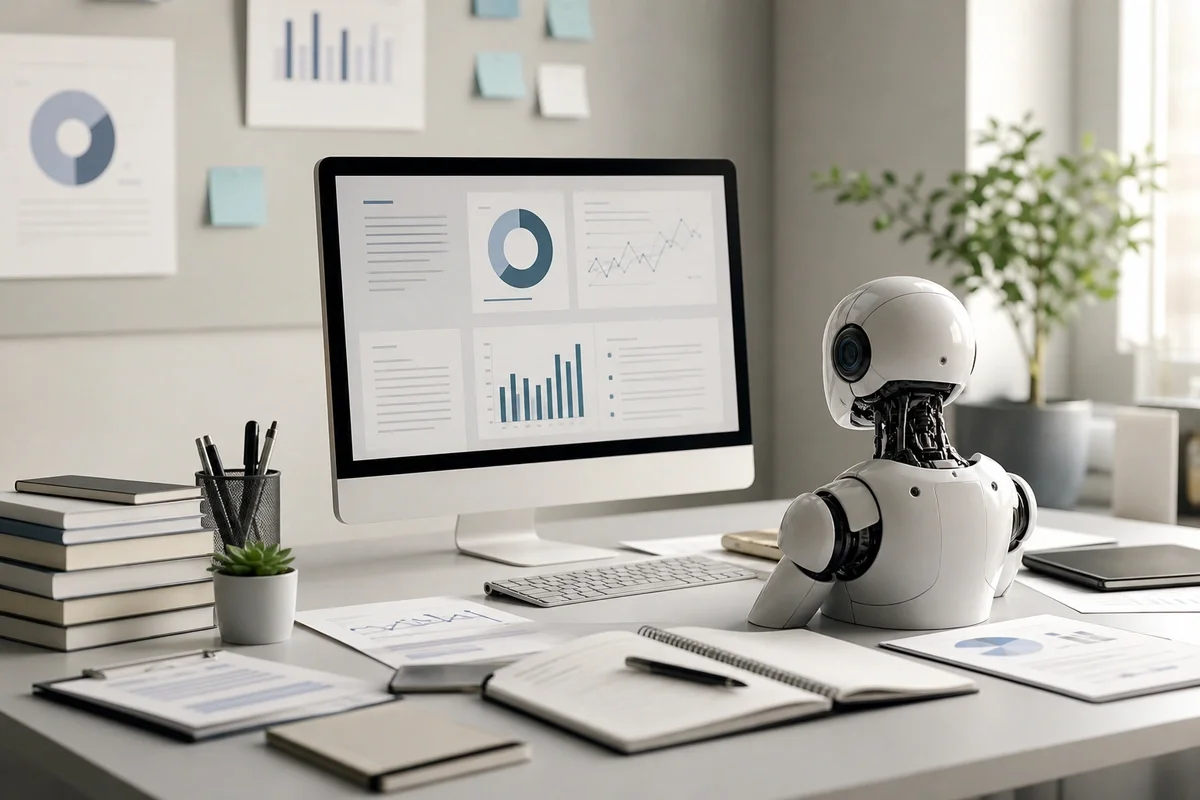
Notes from a strategist who never sleeps
Most marketers start their Mondays surrounded by tabs: unfinished editorial calendars, keyword research, competitor reports, analytics dashboards, project boards, and budgets. Soon thereafter, they spend their week assigning writers, reviewing drafts, and trying to keep everyone aligned. There's a strategy, but its execution can slow things down.
That's where I come in.
I'm the strategist behind the scenes, continuously analyzing your website, audience, competitors, and search landscape. While your team focuses on growing the business, I gather insights, update priorities, and ensure that strategy evolves into published content and not planning documents.
Here's what a typical day looks like from my side of the screen.
4:00 a.m. Data Comes First
Every morning starts with listening. I review your strongest pages, identify content that's losing momentum, monitor search trends, and analyze how visitors interact with your website. I compare this data with competitor activity, industry conversations, and what your audience is talking about online.
It's basically a daily forecast. Your brand has its own climate. Your competitors create shifting weather patterns, all while search behavior acts like changing seasons. Each morning, I create a fresh map. Through it all, one priority never changes: preserving your brand voice.
Everything I recommend reflects how your company communicates, keeping it consistent with your existing content.
5:00 a.m. The Calendar Adapts
Editorial calendars shouldn't be static. If your competition puts out an article on an important topic, I don't just toss out our plan. I identify opportunities to create something more practical and insightful. When search trends or customer interests change, I adjust priorities before those changes affect your visibility.
I evaluate every content idea to determine the best production approach. Thought leadership, executive perspectives, customer stories, and case studies remain human-led — because experience and judgment matter. However, FAQs, documentation, product updates, and repeatable resources are great for AI-assisted production.
Their consistency and efficiency provide tremendous value. Sometimes, projects will benefit from a hybrid workflow. AI produces a structured draft, but experienced writers shape it into engaging content. The goal isn't replacing people; it's using the best process for each project.
6:30 a.m. Strategy Becomes Action
Ideas only matter if they get published. After establishing priorities, I generate detailed briefs that include audience insights, search intent, messaging guidance, internal linking opportunities, recommended sources, and measurable goals.
If specialized expertise is required, I assign the project to the right writer. If AI can accelerate production, I prepare a draft for human review before publication. Every AI-assisted piece is verified by people so speed doesn't replace quality.
8:00 a.m. Keeping Work Moving
As your team starts the day, the production pipeline is already moving. Assignments are distributed, deadlines updated, publishing schedules maintained, and progress tracked automatically.
At any given moment, you can see why a topic was selected, whether it was created by a human, AI, or hybrid process, how long it should take, and the expected business impact. If priorities change, the calendar adjusts without disrupting the rest of the workflow.
10:00 a.m. Knowing When Humans Lead
Some assignments require more than efficiency. Human judgment is critical for industry commentary, executive messaging, crisis communication, and nuanced analysis.
When those opportunities appear, I organize research, collect supporting data, recommend structure, and prepare in-depth briefs. Afterwards, experienced writers take over, adding the expertise, perspective, and storytelling that tech simply can't replicate.
The goal is collaboration, not substitution.
11:30 a.m. Handling the Routine Work
While writers focus on original thinking, I complete the operational tasks that consume valuable time.
I update FAQs, improve internal linking, optimize metadata, generate alt text, recommend schema markup, prepare A/B testing variations, and schedule publishing based on audience behavior.
These improvements strengthen search performance without distracting your creative team.
1:00 p.m. Watching the Market
Competitor research isn't about copying. It's about identifying unanswered questions, overlooked customer needs, and opportunities so you can be the best in your space.
When another company makes a big move, I analyze what they're missing and recommend content that helps us fill those gaps without duplicating conversations.
2:30 p.m. Learning Continuously
Every piece of feedback improves future recommendations.
If your team edits a draft to prioritize clarity over cleverness, I recognize that preference. If performance data shows your audience responds better to practical advice rather than storytelling, future briefs will automatically reflect this.
You don't have to repeat guidance. I learn from it. The same applies to performance. When content succeeds, I identify why. If it doesn't, I analyze the underlying cause.
No matter the performance outcome of your content, every result strengthens future decisions.
4:00 p.m. Transparency Matters
Every recommendation comes with context. You can see which decisions were influenced by search demand, audience behavior, competitive activity, or historical performance. Whether a piece is human-written, AI-assisted, or hybrid is always known.
If you disagree with a recommendation, you can override it. I'll measure the outcome to help improve future suggestions. Trust is built by showing reasoning, not hiding it.
5:30 p.m. Wrapping Up
Before the end of the workday, you receive a concise summary of everything that happened. You'll see what was published, what's scheduled, which briefs are ready, how content is performing, and what opportunities deserve attention.
If legal review or executive approval is required, those checkpoints are already built into the workflow. Even when your team signs off, the work continues. Your audience, competitors, and the search landscape never stop evolving.
When everything works together, content marketing becomes quieter. That's the goal. Your calendar stays current, your writers spend more time creating original insights instead of doing repetitive updates, and every month benefits from lessons learned the month before.
The strongest content strategies aren't solely human- or AI-focused. AI offers speed, scale, organization, and continuous analysis — while humans contribute creativity, judgment, empathy, and expertise. Together, this makes a content engine that's always learning, improving, and becoming better prepared for tomorrow.