


Footer-logo Scripted-horizontal-dark
Solutions Down-arrow-black
Content Audit
Audit existing content to find gaps, improve quality, and prioritize updates
Brand Compliance
Keep content aligned with brand voice, style, and governance standards
SaaS
Drive SaaS growth with content built for activation, retention, and scale
Content Strategy
Build a focused content roadmap with clear priorities, channels, and goals
Content Governance
Set rules and workflows to keep content quality and messaging consistent
Social Media
Get social content tailored to each platform, audience, and campaign goal
AEO / GEO
Optimize content for AI answers and generative search discovery
Workflow Optimization
Streamline your content process to ship faster with fewer bottlenecks
eCommerce
Improve product visibility and conversions with ecommerce-focused content
SEO
Create search-optimized content strategies that increase rankings and traffic
Content Repurposing
Turn existing assets into new formats to extend reach and ROI
Performance Analytics
Measure content impact and optimize strategy using performance insights
AI
Use AI-assisted workflows to scale content production with consistency
ABM
Power account-based marketing with targeted content for key accounts
Workflow Integrations
Connect Scripted with your stack to simplify collaboration and delivery
Expert Content
Work with expert writers to produce trusted, high-quality brand content
PR
Support PR campaigns with clear messaging and publish-ready content
Publishing & Promotion
Publish and distribute content efficiently across channels that matter
Industries Down-arrow-black
Agriculture
Art & Design
Automotive
Building Materials
Cannabis
Career
Construction
Counseling
Customer Service
Dental
Education
Energy & Environment
Engineering
Fashion & Beauty
Family Practice
Food & Beverage
Gaming
Health & Wellness
Healthcare
Higher Education
Home & Garden
Human Resources
Injury Law
Interior Design
IT & Security
Insurance
Legal
Manufacturing
Media & Entertainment
Medical Law
Nutrition
Parenting
Payments
Personal Finance
Real Estate
Relationships
Retail & Ecommerce
Religion & Spirituality
Restaurant and Bar
SaaS
Sales
Senior Services
Software
Sports & Fitness
Technology
Transportation & Logistics
Travel
Customers Down-arrow-black
Enterprises
Scale enterprise content programs with governance, quality, and speed
Sales Teams
Create sales content that builds trust and moves prospects to close
Agencies
Deliver client content faster with flexible production and managed workflows
Content Marketers
Plan and produce high-performing content across the full funnel
Media Publishers
Expand editorial output with scalable, publication-ready content support
Brand Managers
Keep every asset aligned to brand voice, tone, and positioning
Small Businesses
Get affordable, high-impact content to grow awareness, leads, and revenue
Performance Marketers
Use conversion-focused content to improve campaign efficiency and ROI
Resources Down-arrow-black
Blog
Read actionable content marketing insights, trends, and practical guides
Blog Ideas
Generate fresh blog topics aligned to your audience and goals
Case Studies
See real customer outcomes and how teams achieved measurable results
Scripted Technology
Explore the platform technology powering quality, speed, and consistency
Competitors
Compare Scripted with alternatives across quality, workflow, and value
Products
Review Scripted products and choose the right fit for your team
Find Writers
Browse vetted writers by expertise, industry, and content format
Content Glossary
Look up key content marketing terms and concepts in plain language
Pricing
Sign In GET STARTED
Menu button
x Close Menu Solutions Down-arrow-black
Content Audit
Audit existing content to find gaps, improve quality, and prioritize updates
Brand Compliance
Keep content aligned with brand voice, style, and governance standards
SaaS
Drive SaaS growth with content built for activation, retention, and scale
Content Strategy
Build a focused content roadmap with clear priorities, channels, and goals
Content Governance
Set rules and workflows to keep content quality and messaging consistent
Social Media
Get social content tailored to each platform, audience, and campaign goal
AEO / GEO
Optimize content for AI answers and generative search discovery
Workflow Optimization
Streamline your content process to ship faster with fewer bottlenecks
eCommerce
Improve product visibility and conversions with ecommerce-focused content
SEO
Create search-optimized content strategies that increase rankings and traffic
Content Repurposing
Turn existing assets into new formats to extend reach and ROI
Performance Analytics
Measure content impact and optimize strategy using performance insights
AI
Use AI-assisted workflows to scale content production with consistency
ABM
Power account-based marketing with targeted content for key accounts
Workflow Integrations
Connect Scripted with your stack to simplify collaboration and delivery
Expert Content
Work with expert writers to produce trusted, high-quality brand content
PR
Support PR campaigns with clear messaging and publish-ready content
Publishing & Promotion
Publish and distribute content efficiently across channels that matter
Industries Down-arrow-black
Agriculture
Art & Design
Automotive
Building Materials
Cannabis
Career
Construction
Counseling
Customer Service
Dental
Education
Energy & Environment
Engineering
Fashion & Beauty
Family Practice
Food & Beverage
Gaming
Health & Wellness
Healthcare
Higher Education
Home & Garden
Human Resources
Injury Law
Interior Design
IT & Security
Insurance
Legal
Manufacturing
Media & Entertainment
Medical Law
Nutrition
Parenting
Payments
Personal Finance
Real Estate
Relationships
Retail & Ecommerce
Religion & Spirituality
Restaurant and Bar
SaaS
Sales
Senior Services
Software
Sports & Fitness
Technology
Transportation & Logistics
Travel
Customers Down-arrow-black
Enterprises
Scale enterprise content programs with governance, quality, and speed
Sales Teams
Create sales content that builds trust and moves prospects to close
Agencies
Deliver client content faster with flexible production and managed workflows
Content Marketers
Plan and produce high-performing content across the full funnel
Media Publishers
Expand editorial output with scalable, publication-ready content support
Brand Managers
Keep every asset aligned to brand voice, tone, and positioning
Small Businesses
Get affordable, high-impact content to grow awareness, leads, and revenue
Performance Marketers
Use conversion-focused content to improve campaign efficiency and ROI
Resources Down-arrow-black
Blog
Read actionable content marketing insights, trends, and practical guides
Blog Ideas
Generate fresh blog topics aligned to your audience and goals
Case Studies
See real customer outcomes and how teams achieved measurable results
Scripted Technology
Explore the platform technology powering quality, speed, and consistency
Competitors
Compare Scripted with alternatives across quality, workflow, and value
Products
Review Scripted products and choose the right fit for your team
Find Writers
Browse vetted writers by expertise, industry, and content format
Content Glossary
Look up key content marketing terms and concepts in plain language
Plans Sign In Get Started
  1. Blog Home
  2. Content Marketing
  3. Scripted Writers
  4. What Is The Difference Between Seo And Sem? | Scripted

What is the Difference Between SEO and SEM? | Scripted

What is the Difference Between SEO and SEM? | Scripted
Published by Scripted Writers on Wednesday, August 15, 2012 in Content Marketing, Content Marketing, Seo.

Even with a continuous stream of new technologies and platforms making their mark on the digital world, search engines continue to dominate online traffic. The source of nearly 70% of trackable web traffic, search is where potential clients or customers are most likely to find your business or that of your competitors. Naturally, you want your links to take the top position on relevant search engine results pages, but getting there can be complicated.

SEO and SEM are the part of your marketing strategy designed to put your website in front of your target audience for those key searches. Although the acronyms are similar and are often used interchangeably, they refer to two different aspects of search engine strategy, both of which contribute to increasing traffic to your site and your business.

What is SEO?

3ryyzf05trgazuc1okgh

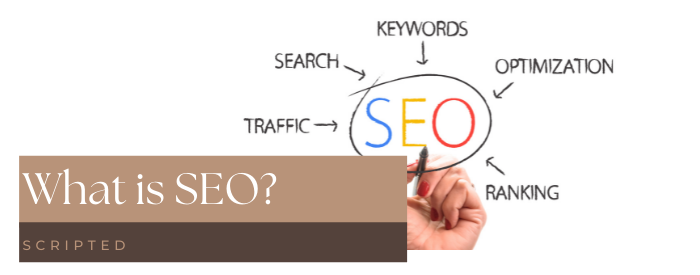
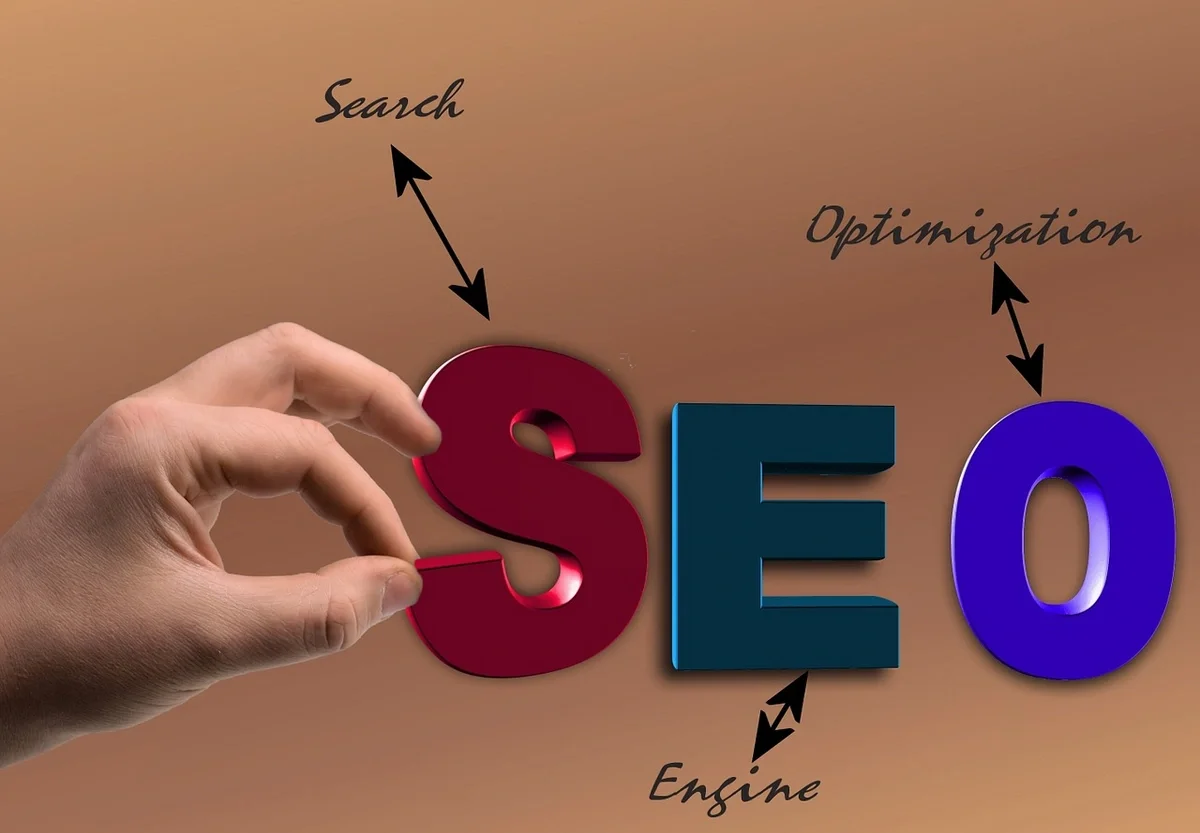
SEO stands for “search engine optimization,” and it refers to activities designed to get your website links higher in the organic (non-paid) results on search engine results pages (SERPs). The factors that determine which content shows up for a specific search (and its position on the SERP) are called “ranking factors.” Google’s algorithm is notoriously complex and secret, with a generally accepted assumption that more than 200 Google ranking factors exist.

Thanks to Google and SEO research insights, search engine experts are reasonably confident of many of these factors and their importance. Search Engine Land has organized a “Periodic Table of SEO Factors,” highlighting search engine optimization as a science rather than complete guesswork. This table typically divides ranking factors into two types: on-page SEO and off-page SEO.

On-Page SEO Factors

On-page SEO involves improving your web pages (and code) to rank higher on relevant search results pages. Quality content is the foundation of a good on-page SEO strategy, and it begins with keyword research. You need to determine the search terms your target audience uses, the search intent those keywords represent, and how your competitors are using and ranking for those terms. Some powerful keyword research tools include Moz Keyword Explorer, SEMRush’s Keyword Gap, Ahrefs Keyword Explorer, and Soolve.

In addition to quality content, several other on-page factors should be part of your on-page SEO strategy. These include:

  • Keyword Frequency (including using the keyword in the first 100 words)
  • Title tags that use the keyword early and use tag modifiers
  • H1 and H2 tags to help Google and users understand the structure of your page/content
  • Short URLs for your webpage that include your targeted keywords
  • Unique meta descriptions for each page that feature keywords
  • Giving photos and graphics relevant names (and alt text) that include keywords
  • Website and webpages that have fast load speeds and are optimized for mobile

Off-Page SEO Factors

Off-page SEO refers to activities outside your web pages that can affect how they rank on search engine results pages. Backlinks (links on other websites that direct traffic to your site) are the primary element of off-page SEO. The more authoritative, popular websites link to your content, the higher Google ranks your content as a more valuable resource for searchers. Although backlinks are ultimately up to other website owners, there are steps you can take to earn more backlinks, such as:

  • Featuring visual elements, including images and infographics
  • Including original data and research that is unique to your site
  • Developing “complete guides” as exhaustive resources on a keyword topic
  • Reaching out to quality websites that may want to link to your content
  • Quality social media content that links to your site and gains visitor activity

Together, on-page and off-page search engine optimization strategies will help your website content achieve a higher ranking on Google and other search engines.

What is SEM?

Liri8qlyqdkr9kjkjpqt

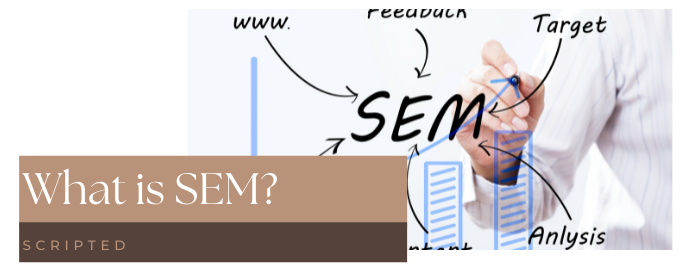
The acronym SEM refers to “search engine marketing,” which sounds similar to SEO. However, search engine marketing is more commonly understood as marketing activities that target paid search results, also known as PPC (pay-per-click). With SEM, you pay for impressions or views of your ads on SERPs, which ideally turn into website visits.

While other search engines exist, Google is by far the most popular, making Google Ads a priority for search engine marketing. Google is, fortunately, more transparent in identifying the factors that determine the position of your ad on a particular search results page (or whether the ad appears at all). Ad Rank is the name for the value calculated for each ad eligible to appear with the search results and includes six elements: 

  • Your bid, which is the highest amount you agree to pay for a click
  • The relevance and usefulness of your ad and the linked landing page (Quality Score)
  • How competitive the auction is, including how close the Ad Rank values are
  • Context of the search, including location, time, device, and other signals of intent
  • Ad extensions and how they are expected to affect the performance of your ad

With these elements as the basis, many factors can improve the quality of your PPC campaigns and your visibility on search engine results pages:

  • Selecting the right keywords based on search intent, volume, and competition
  • Using relevant and targeted ad copy for the title, description, and display URL of your pay-per-click ad
  • Properly organize your ad account by campaigns, ad groups, keywords, and ad copy
  • Linking to quality content that is relevant, keyword-optimized, and mobile-optimized

This may sound like as much complicated work as SEO, but there are tools to help you with your SEM strategies as well. Along with the keyword and content-focused tools above, the following resources can assist in optimizing your ad campaigns for effective search engine marketing: Google Ads Keyword Planner, HubSpot’s Ad Tracking Software, SpyFu, and Optmyzr.

SEO vs. SEM

Artkrbczspklgkn8xbsi

The main distinction between SEO and SEM is that SEO refers to organic search engine strategies, while SEM is about optimizing PPC ad campaigns for search engine results pages. As a result, SEO is often easier to work on when you have a limited budget since its costs come in the form of research and optimization efforts. On the other hand, while a higher advertising budget provides more opportunities for discovery, it’s not a guarantee of a top ranking.

Despite this difference in search engine optimization and marketing, these two areas intersect and complement each other in several ways. Both require focusing on the right keywords and developing quality content that matches user searches. Plus, search-engine-optimized webpages make ideal landing pages for your SEM campaigns, and improvements targeting either search engine strategy are likely to yield improvements in your results for both.

Marketing Strategy and Optimized Social Content

0lkbazpnq7c3fg9rjwvm

SEO and SEM are just part of a complete marketing strategy that drives more qualified visitors to your website. Social media is another way to bring attention to your content and products or services and may also play a role in drawing search engine traffic to your site. If you want to improve your marketing strategy with better social media content, order social media posts from Scripted writers who bring their writing expertise to your channels.

L6gdyeunsqliygleaia7


More in Content Marketing

Why Scripted Is a Top ClearVoice Alternative

Why Scripted Is a Top ClearVoice Alternative

If you’ve been following the industry chatter, you’ve likely heard the news about ClearVoice’s plans to shut down operat...

Ajq13uzhqlmhw0y83yuv

John Becker

April 22, 2026
Self-Optimizing Content Engine for Tech Innovators

Self-Optimizing Content Engine for Tech Innovators

In tech, the ground moves every week. A competitor ships a surprise feature. A cloud vendor changes pricing. A zero-day ...

Pbhlpel9ra2z6vq2kh91

William DeLong

April 2, 2026
Continuous Learning: When Your Content Optimizes Itself

Continuous Learning: When Your Content Optimizes Itself

The dirty secret of most content calendar strategies is that they’re just guesses dressed up as insights. You brainstorm...

7on9tu2vrpuvondcpaio

Mabh Savage

March 26, 2026
View All Posts
Customer and Writer Services
Become A Writer Freelance Writing Jobs

Customer Sign In Writer Sign In
Legal
Privacy Terms of Use Writer Services Agreement GDPR Trust
Follow Us


Scripted-horizontal-light
©2011-2026
Hubspot chat