



Why Marketing Agencies Should Outsource Written Content
When you own a successful marketing agency, there is a seemingly never-ending list of tasks to be done. There are client...


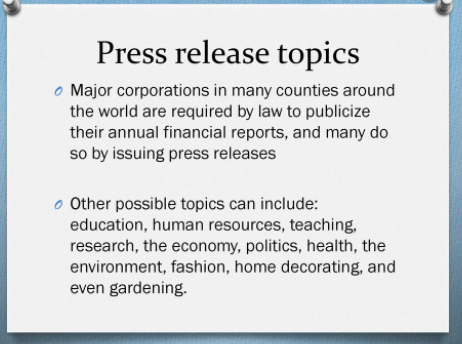
Press releases are excellent tools for announcing startups, product launches, and exciting company news. Of course, just because a company cares about something, it doesn't necessarily translate into an attention-grabbing press release. If you're looking to write a press release, follow these seven tips and best practices to ensure the best results.
Companies who are constantly pushing out press releases for minor achievements or updates will soon find their press releases ignored. Press releases are best reserved for major, newsworthy pieces of information -- like a new product in the lineup, an industry award, or a new startup venture who's opening up Series B funding.
Once you have a topic in mind, consider all of the unique points or associated information that can be emphasized to engage readers further. For instance, if you're announcing a new executive, it's worth discussing their background at a major Fortune 500 company and how they came to be part of your startup.
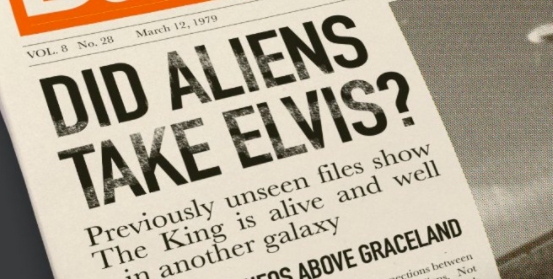
Aside from having a great topic, writers also need to work to turn that topic into an attention-grabbing, engaging title. This is perhaps the most challenging part of creating a press release because the title you choose may be the ultimate deciding factor in whether or not someone clicks on and starts reading the press release.
While going about creating an exciting title, make sure you stay grounded in fact. Don't get caught up with making the title interesting to the point that it loses relevance in the context of your press release. In other words, the title should connect to the main point of your press release -- don't use the "bait and switch" tactic as it will cost you readers' trust.
The best press releases come in at just 300 to 400 words. This is quite short, and that's the way it should be. Our world operates with a 24/7 news cycle. That means readers want to digest important information in a quick, convenient manner.
Take time to study top-performing press releases from major companies to see the do's and don'ts in action. Notice how the best press releases avoid digging into explanations for industry terms or basic company information. Know your audience and their depth of understanding so you can get right to what they care about.
While you should use quotes sparingly, including the right quotes can add validity and insight to your press release. The best quotes come directly from clients, senior executives, industry experts, or influencers within your niche.
These quotes can add authority to your press release and gives other blogs something they can pull straight from your press release to use in their own article covering the topic. Therefore, quotes act as sharable information that will lead to backlinks to your press release or website.
If you include more than one quote, make sure the person's full name and title are included with the first quote. From then on, you can use just their last name to refer to them. Moreover, your press release should provide context for the quote both before and after it is inserted. This ensures the quote reads naturally within the press release and provides value.
Too many companies make the mistake of treating a press release like a letter, forgetting the value of multimedia content. Modern press releases are rarely printed and almost always read online, which means including photos, videos, and even podcasts can help complete the story you're trying to tell and keep readers interested.
While the text of your press release should work on its own, without readers needing to listen to a podcast or watch a video to get the full story, this additional content can allow you to communicate even more information for those willing to spend the time.
Your press release is unlikely to use all of these multimedia forms, and you shouldn't try to. Instead, decide what is most relevant to the press release you're attempting to create.
Like every piece of content you create, your press release needs to have a purpose, which is why you should think about and plan your call-to-action before you even start writing. However, unlike most content where the call-to-action ends up at the very end, your call-to-action should be placed much earlier in the press release.
Most people do not read press releases in full, but instead skim them to get the main piece of information they want to learn, so:
When it comes to a press release CTA, including a hyperlink in a sentence is not effective. Instead, include the complete URL, like the following example.
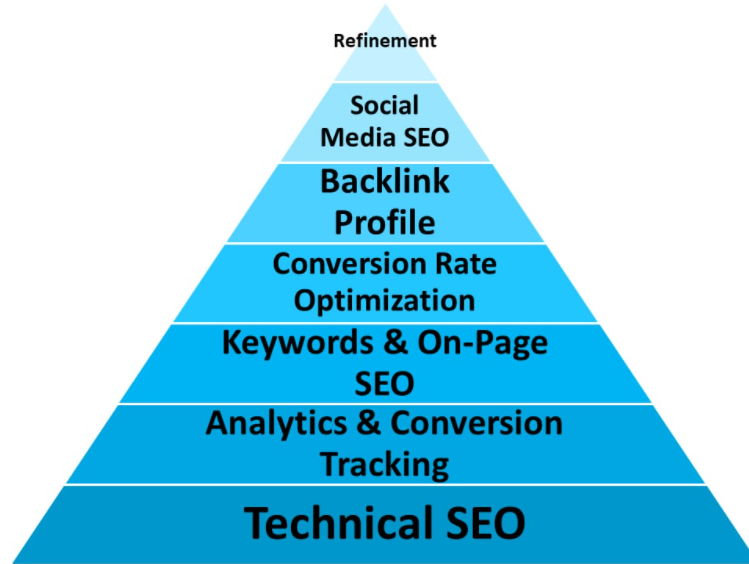
SEO, or Search Engine Optimization, should play a role in the creation of your press release just as it plays a role in all of your other content creation endeavors. Google and other search engines definitely crawl press releases and, when you use the best practices of SEO, you can turn a press release into authority-building content for your brand.
Other SEO tips that can improve the performance of your press release and readability include the use of bulleted/numbered lists, short sentences, short paragraphs, and minimal use of bold/italic font.
Are you struggling to create a press release that follows all of these best practices while staying within the limited word count you have to work with? Turn to Scripted's team for help. Scripted has over 7,000 professional writers across industries ready to help you craft an attention-grabbing press release. Get started today.